Japanese Cheesecake Recipe
Introduction
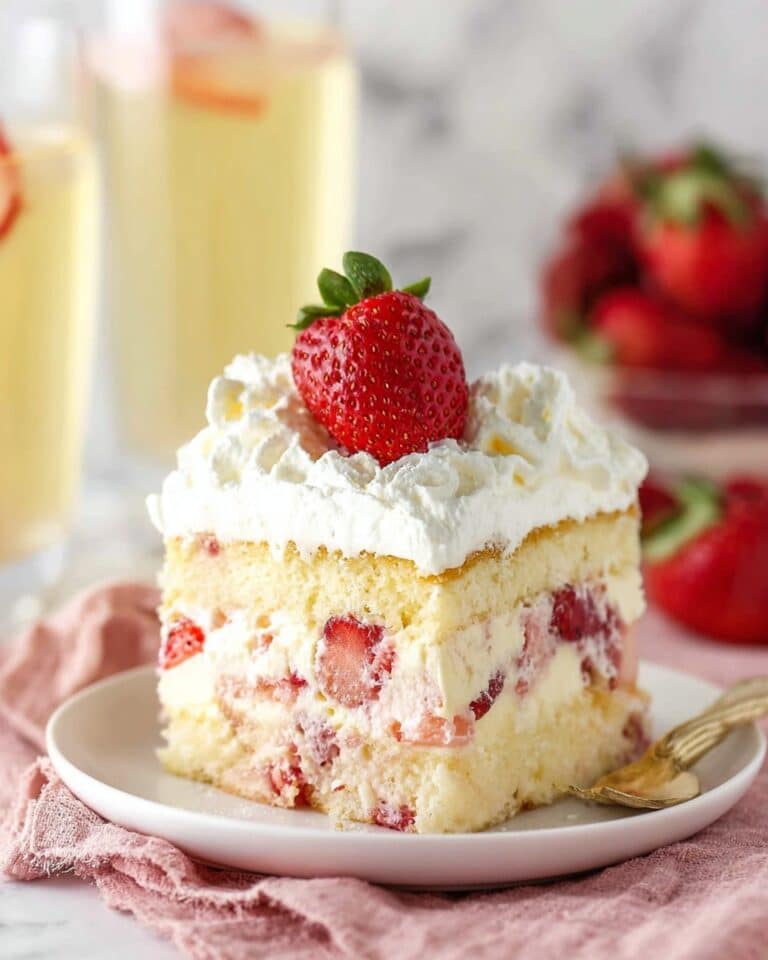
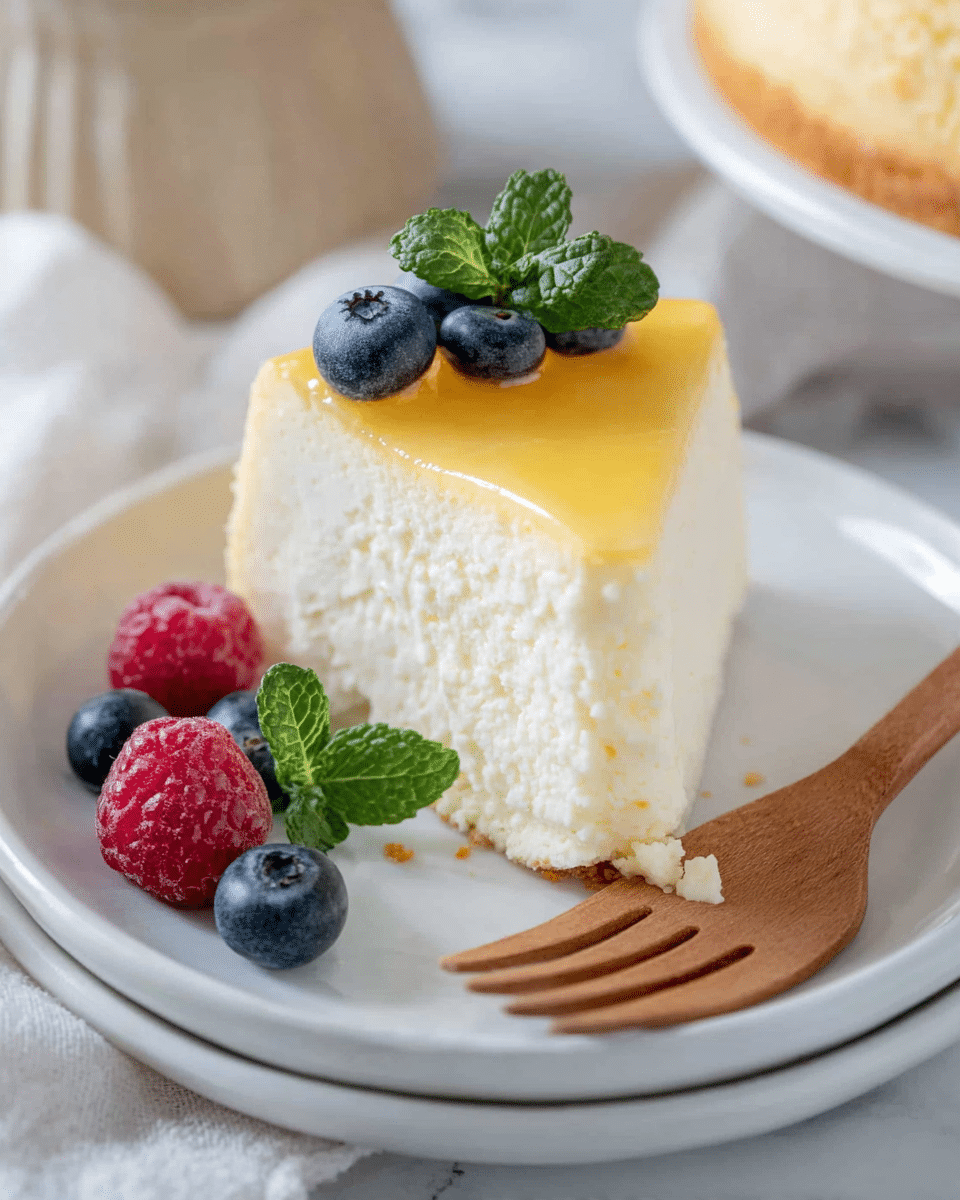
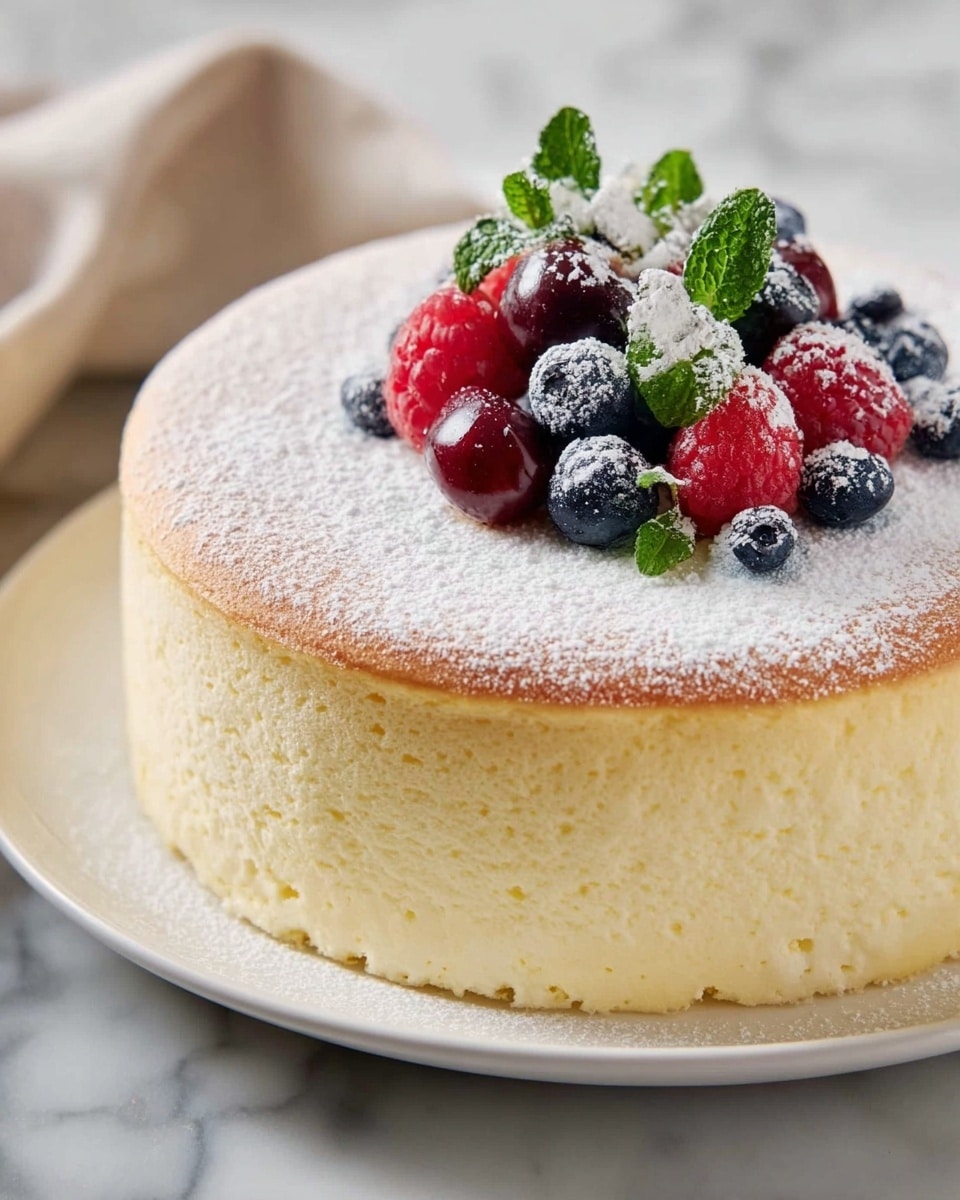
Japanese cheesecake is a light, fluffy dessert that blends the richness of cream cheese with a delicate, airy texture. This soufflé-style cake offers a subtly sweet and tangy flavor that melts in your mouth, perfect for a special treat or afternoon tea.
Ingredients
- 7oz/200g Philadelphia cream cheese
- 4 egg yolks
- 0.7oz/20g caster sugar (1 tbsp + 1 tsp)
- 3.4floz/100ml heavy cream (whipping cream) (1/3 cup + 1.5 tbsp)
- 3.4floz/100ml milk (1/3 cup + 1.5 tbsp)
- 1 tbsp lemon juice
- 2 tsp lemon zest (from 1/2 lemon)
- 1.4oz/40g plain flour (1/3 cup)
- 0.35oz/10g corn starch (4 tsp)
- 4 egg whites (about 120g)
- ¼ tsp cream of tartar
- 2.1oz/60g caster sugar (4 tbsp)
- 1oz/30g apricot jam (2 tbsp)
- 1 tbsp water or brandy
Instructions
- Step 1: Leave the cream cheese at room temperature to soften.
- Step 2: Prepare a 7 inch (17cm) round cake pan, about 3 inch (7.5cm) tall. Spread unsalted butter thinly, line the bottom with baking paper, and chill in the fridge.
- Step 3: Sift the plain flour and corn starch together and set aside.
- Step 4: Separate the eggs into yolks and whites. Refrigerate the egg whites in a bowl.
- Step 5: Stir the softened cream cheese with a wooden spatula until smooth and creamy.
- Step 6: Combine the milk and cream, then add this mixture gradually to the cream cheese, mixing well after each addition.
- Step 7: Add the caster sugar and then incorporate the egg yolks one at a time, mixing well after each.
- Step 8: Sieve the cream cheese mixture into a large bowl to remove any lumps.
- Step 9: Add the lemon juice and lemon zest to the mixture and stir well.
- Step 10: Sift the flour and corn starch into the mixture and gently combine.
- Step 11: Preheat the oven to 338°F (170°C).
- Step 12: Make the meringue by whipping egg whites until large bubbles form, then add cream of tartar and continue whipping.
- Step 13: Add caster sugar gradually in 3 to 4 additions while whipping until soft peaks form.
- Step 14: Remove the bowl and hand whip briefly to stabilize the meringue.
- Step 15: Fold one-third of the meringue into the cream cheese mixture gently with a whisk, then fold in another third the same way.
- Step 16: Add the cream cheese mixture into the remaining meringue and fold carefully with a spatula until just combined.
- Step 17: Pour the batter into the prepared cake tin, filling about 0.6 inch (1.5 cm) below the rim. Tap the tin gently to release air bubbles.
- Step 18: Place the cake tin in a water bath and bake at 320°F (160°C) for 20 minutes.
- Step 19: Reduce the oven temperature to 284°F (140°C) and bake for an additional 55 minutes. The oven may take around 20 minutes to reach this temperature.
- Step 20: Turn off the oven and leave the cake inside for 30 minutes to cool slowly.
- Step 21: Remove the water bath, leave the oven door slightly open, and let the cake cool further gradually.
- Step 22: Place the cheesecake (still in the tin) in an airtight container and refrigerate overnight.
- Step 23: Carefully remove the cake from the tin.
- Step 24: Warm the apricot jam with water or brandy to make a glaze, brush it over the top of the cheesecake, and slice with a sharp warm knife to serve.
Tips & Variations
- Use a microplane zester to get only the yellow part of the lemon peel, avoiding the bitter white pith.
- Make sure the cream cheese is fully softened to avoid lumps in the batter.
- Folding the meringue gently keeps the cheesecake light and airy.
- For a boozy glaze, substitute water with brandy when warming the apricot jam.
Storage
Store the cheesecake covered in an airtight container in the refrigerator for up to 3 days. Reheat slices gently in the microwave for a few seconds if desired, but it is delicious served chilled.
How to Serve
Serve this delicious recipe with your favorite sides.
FAQs
Can I use a different type of cream cheese?
Philadelphia cream cheese is preferred for its smooth texture and mild flavor, but any good-quality cream cheese should work. Ensure it is softened before mixing.
Why is the cheesecake baked in a water bath?
The water bath helps regulate the temperature and provides steam, which prevents cracking and creates the cheesecake’s signature moist, fluffy texture.
Print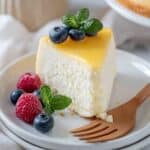
Japanese Cheesecake Recipe
- Total Time: 12 hours 15 minutes (including cooling and refrigeration)
- Yield: 8 servings 1x
- Diet: Vegetarian
Description
This Japanese Cheesecake is a light, fluffy, and creamy dessert that combines the richness of cream cheese with the airy texture of a souffle. It is baked in a water bath to create a moist and jiggly cake with a delicate lemon flavor and a glossy apricot glaze on top. Perfect for those who enjoy a less dense cheesecake with a tender crumb and subtle sweetness.
Ingredients
Cheesecake Batter
- 7oz/200g Philadelphia cream cheese
- 4 egg yolks
- 0.7oz/20g caster sugar (1 tbsp + 1 tsp)
- 3.4floz/100ml heavy cream (whipping cream) (1/3 cup + 1.5 tbsp)
- 3.4floz/100ml milk (1/3 cup + 1.5 tbsp)
- 1 tbsp lemon juice
- 2 tsp lemon zest (from 1/2 lemon)
- 1.4oz/40g plain flour (1/3 cup)
- 0.35oz/10g corn starch (4 tsp)
Meringue
- 4 egg whites (approximately 120g)
- 1/4 tsp cream of tartar
- 2.1oz/60g caster sugar (4 tbsp)
Glaze
- 1oz/30g apricot jam (2 tbsp)
- 1 tbsp water or brandy
Instructions
- Soften Cream Cheese: Leave the cream cheese at room temperature to soften, allowing it to become smooth and easy to mix.
- Prepare Cake Pan: Grease a 7 inch (17cm) round cake pan with unsalted butter, line the bottom with baking paper, and chill it in the fridge.
- Sift Dry Ingredients: Sift together the plain flour and corn starch, then set aside.
- Separate Eggs: Separate the eggs into yolks and whites. Keep the egg whites refrigerated in a clean bowl.
- Mix Cream Cheese: Stir the softened cream cheese with a wooden spatula until it reaches a smooth and creamy texture.
- Add Cream and Milk: Gradually add the milk and heavy cream mixture a little at a time, mixing thoroughly after each addition.
- Add Sugar and Egg Yolks: Stir in the caster sugar, then add the egg yolks one at a time, mixing well after each addition.
- Sieve Mixture: Pass the cream cheese mixture through a sieve into a large mixing bowl to ensure no lumps remain.
- Add Lemon Flavor: Mix in the lemon juice and lemon zest to the mixture evenly.
- Incorporate Dry Ingredients: Sift the flour and cornstarch into the cream cheese mixture and combine gently until smooth.
- Preheat Oven: Preheat the oven to 338°F (170°C) in preparation for baking.
- Make Meringue: Using a stand mixer, whip the egg whites until large bubbles form. Add cream of tartar and continue whipping.
- Add Sugar to Meringue: Gradually add the caster sugar in 3 to 4 additions, whipping after each until soft peaks form—peaks should bend slightly when the whisk is lifted.
- Stabilize Meringue: Remove the bowl from the mixer and hand whip gently to stabilize the meringue.
- Fold Meringue into Batter: Fold one-third of the meringue into the cream cheese mixture with a whisk carefully to keep airiness. Repeat with another one-third.
- Combine All Mixture: Pour the cream cheese mixture into the remaining meringue bowl and fold together gently using a spatula, maintaining the light texture.
- Fill Cake Tin: Pour the batter into the prepared cake tin, filling about 0.6 inch (1.5 cm) below the rim. Tap the tin gently on the counter to release air bubbles.
- Bake in a Water Bath – Step 1: Place the cake tin in a water bath and bake at 320°F (160°C) for 20 minutes.
- Bake in a Water Bath – Step 2: Lower the oven temperature to 284°F (140°C) and continue baking for a further 55 minutes. Allow the oven temperature to gradually reduce as the cake bakes.
- Cool Gradually in Oven: Turn off the oven after baking, leave the cake inside for 30 minutes to cool down slowly with oven door closed.
- Further Cooling: Remove the water bath, leave the oven door slightly open, and let the cheesecake cool gradually inside the oven.
- Chill Overnight: Place the cheesecake (still in the tin) in an airtight container and refrigerate overnight for best texture.
- Remove from Tin: Carefully remove the cheesecake from the tin once chilled.
- Glaze and Serve: Warm the apricot jam with water or brandy, brush it over the top of the cheesecake to glaze, then slice with a sharp, warm knife and serve.
Notes
- Softening the cream cheese at room temperature is important to achieve a smooth batter without lumps.
- Using a water bath while baking prevents cracking and helps maintain moisture for a fluffy texture.
- Hand-whipping the meringue after mixing helps stabilize the peaks for better volume.
- Be careful to fold the meringue gently to keep the batter light and airy.
- Cooling the cake gradually inside the oven prevents it from shrinking or cracking due to temperature shock.
- Refrigerating overnight improves the texture and flavor of the cheesecake.
- Using a microplane zester for lemon zest ensures only the flavorful outer layer is used without bitterness from the white pith.
- Warming the glazes helps it spread evenly and gives a shiny finish to the cake.
- Prep Time: 30 minutes
- Cook Time: 1 hour 15 minutes
- Category: Dessert
- Method: Baking
- Cuisine: Japanese
Keywords: Japanese cheesecake, souffle cheesecake, fluffy cheesecake, cream cheese dessert, baked cheesecake, water bath cheesecake, apricot glaze